
 Painting & decorating
 Wood & laminate flooring
 Tiling
 Rendering
 Room & rental refreshes
 Toilet fixes & minor repairs

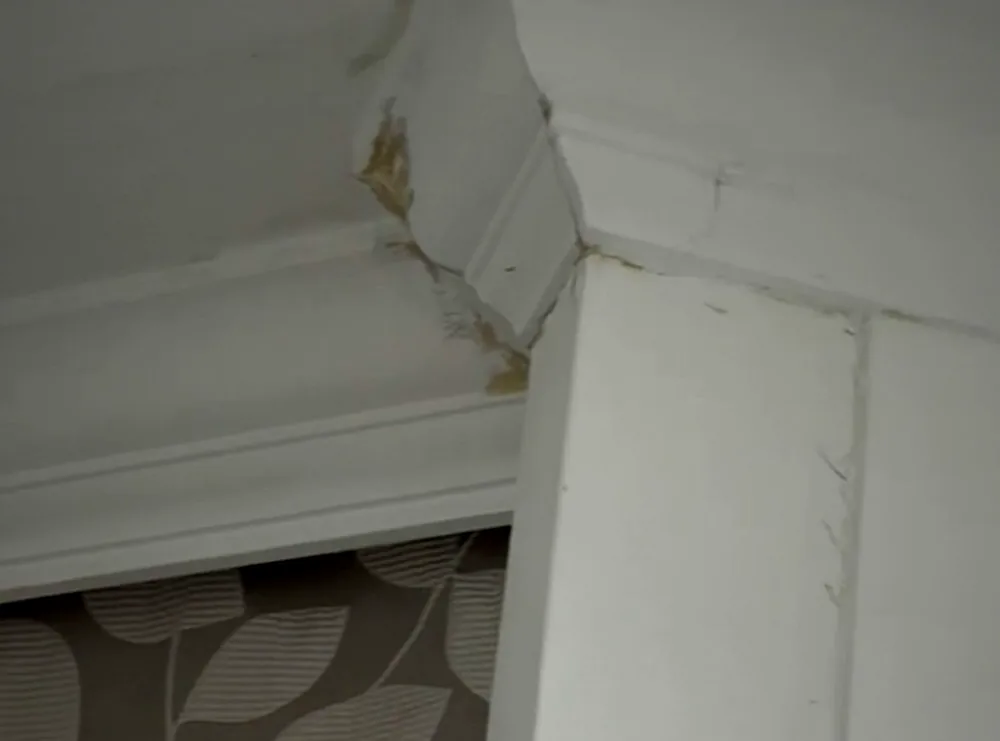 Before
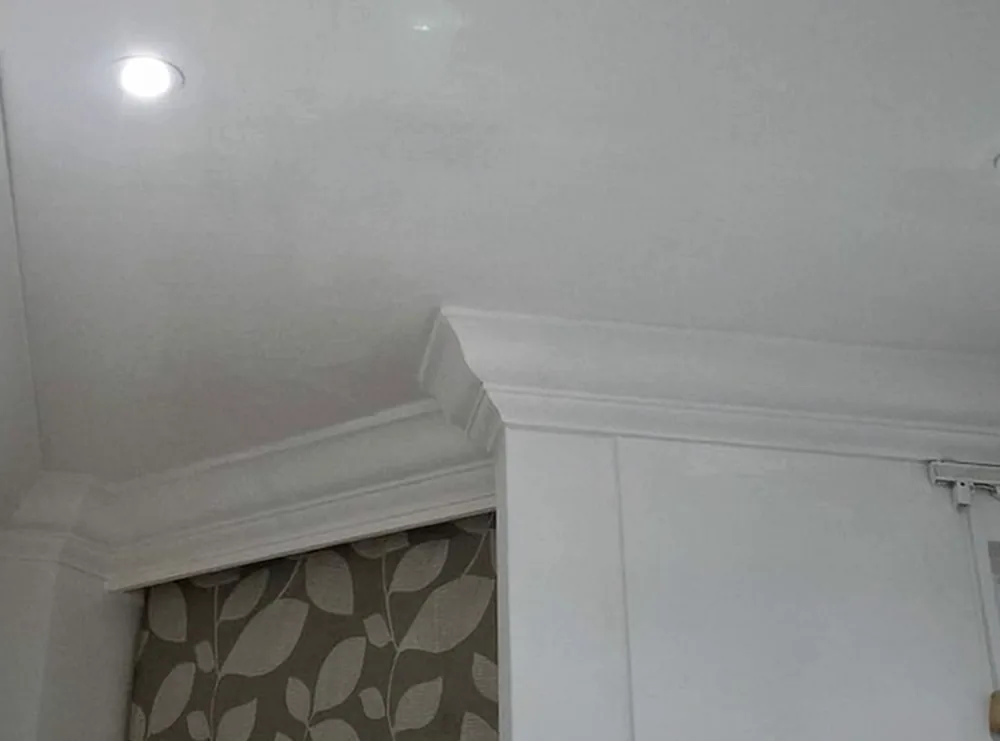 After
The four usual reasons
- The crack wasn't raked out. Filler smeared over a hairline crack only sits on the surface, so it has nothing to grip.
- Seasonal movement. Older London houses expand and contract with heat and humidity. Cracks around door frames, ceiling joints and where walls meet ceilings open and close through the year.
- Loose plaster. If the plaster around the crack has come away from the wall behind, it keeps moving and cracking.
- Structural movement. Wide cracks that keep growing, run diagonally from windows and doors, or are wider at one end can mean subsidence or settlement.
How we fix cracks so they stay fixed
- Rake out the crack into a V shape so filler can bond deep into it
- Dampen or prime the crack so the filler doesn't dry too fast and shrink
- Fill in layers, letting each dry, rather than one thick fill
- Use flexible caulk where walls meet ceilings or woodwork, because those joints always move a little
- Bridge recurring cracks with scrim tape or a lining paper before painting
- Cut out and re-plaster any patches that sound hollow when tapped
When to get a crack checked
Get advice from a surveyor or structural engineer before decorating if a crack:
- is wider than about 3–5mm (about the thickness of a pound coin)
- keeps growing over weeks or months
- runs diagonally from a window or door, or shows on the outside wall too
- comes with doors or windows that have started sticking
Get it done properly
YSE Renovations prepares walls properly before we paint, so the finish lasts. We're a father-and-son team based in Colindale, covering all of London.
Call or WhatsApp 07460 351689 for a free, itemised written quote.